


 English
 Español
 عربى
عربى
Engine Oil Pressure Too Low: Causes, Symptoms, Fixes & Prevention Guide
محتوى
- 1 Why Oil Pressure Matters More Than You Think
- 2 Seven Common Causes of Low Engine Oil Pressure
- 3 Symptoms of Low Engine Oil Pressure
- 4 The Oil Filter's Role in the Pressure Equation
- 5 Step-by-Step Diagnosis of Low Oil Pressure
- 6 How to Fix Low Oil Pressure and Prevent It From Returning
- 7 Choosing a Reliable Oil Filter: What Workshops and Distributors Should Check
- 8 Further Reading and Resources
- 9 Frequently Asked Questions
- 9.1 Is it safe to drive with the oil pressure warning light on?
- 9.2 Why does the low oil pressure warning appear at idle but disappear when I rev the engine?
- 9.3 Can a dirty oil filter cause low oil pressure?
- 9.4 What oil pressure reading is too low?
- 9.5 Can low oil pressure be fixed without a full engine rebuild?
- 9.6 How often should the oil filter be replaced?
- 10 Keep the Pressure in the Safe Zone
You are sitting at a red light. The red oil can warning icon on the dashboard flickers on, then goes out as soon as you touch the accelerator. Five minutes later, at the next stop, it comes back. Many drivers convince themselves that it is just a sensor quirk. In most cases, it is not. What you are seeing is the classic symptom of an engine oil pressure too low condition, and treating it as a minor electrical glitch can turn a twenty-dollar repair into a complete engine replacement.
An "engine oil pressure too low" warning means that the lubrication system can no longer push oil through the main oil galleries at the pressure required to keep the crankshaft floating inside its bearings. When that oil film disappears, metal touches metal, temperatures rise quickly, and components begin to seize. The good news is that the causes are well known, the diagnosis follows a reliable sequence, and most failures can be avoided with a disciplined maintenance routine. This guide explains what oil pressure really means, the seven most common reasons for the warning, how to diagnose the problem step by step, and how to select an oil filter that will not create a low-pressure problem of its own.
Whether you are a private car owner, a workshop technician, or a parts distributor looking for a dependable oil filter manufacturer and supplier, the same physics applies: pressure only stays healthy when the oil volume is correct, the pump is strong, the bearing clearances are within specification, and the filter keeps the system clean.
Why Oil Pressure Matters More Than You Think
Oil pressure is simply the resistance the oil pump meets when it pushes oil through the engine. Every engine is designed with clearances that are correct at a specific pressure range. The main bearings, rod bearings and camshaft journals all rely on a continuous, pressurised oil film that prevents metal contact. When the pressure is too low, that film becomes dangerously thin, and wear begins immediately.
Most passenger cars and light trucks run a warm idle pressure between 10 and 20 psi. At cruising speed, the pressure usually sits between 35 and 55 psi. High-load or high-rpm operation can push the gauge above 60 psi. The exact numbers depend on the engine design, the oil viscosity grade, and the oil temperature.
| Engine condition | Typical pressure (psi) | Typical pressure (bar) |
|---|---|---|
| Cold start, first minutes | 40–80 psi, briefly | 2.8–5.5 bar, briefly |
| Warm idle | 10–20 psi | 0.7–1.4 bar |
| Cruising at 2,000–3,000 rpm | 35–55 psi | 2.4–3.8 bar |
| Heavy load or high rpm | 55–70 psi | 3.8–4.8 bar |
A low reading at warm idle is often the first sign of a developing problem. Some high-mileage engines naturally settle at the lower end of the range when hot, but a pressure reading that falls far below the service manual limit means something is consuming pressure. A bigger concern is low pressure at speed: if the warning stays on above 2,000 rpm, the lubrication circuit is no longer capable of protecting the engine, and continued driving can ruin the crankshaft and bearing set in a matter of minutes.
Understanding pressure also helps you understand flow. Pressure and flow are linked, but they are not the same thing. A worn oil pump can still produce reasonable pressure at high rpm while delivering too little flow at idle. A partially blocked pickup screen can starve the pump at low speed and create a false "engine oil pressure too low" message even though the engine is not seriously worn. These distinctions matter during diagnosis, which is why the causes below deserve close attention.
Seven Common Causes of Low Engine Oil Pressure
Low oil pressure can have many roots, but the list of suspects is surprisingly short. Once you know where to look, the search takes minutes rather than days.
Before we look at the fixes, it helps to know which faults actually appear most often in real workshop conditions. The figures in the chart are based on field service reports rather than laboratory tests. They show the approximate share of low oil pressure complaints traced to each root cause. Notice that the cheapest problems are also the most common. That is good news, because it means most drivers and fleet managers can avoid a major repair simply by checking the oil level and filter condition first.
Low oil level, tracked down to leaks or normal consumption, dominates the list, and it is the easiest fault to measure on a dipstick. The second largest category, worn engine bearings, is also the most expensive to repair, because it usually means an engine rebuild. The gap between the two tells you where to concentrate your own checks. Faulty pressure sensors occupy the third spot, which explains why many drivers get a scary warning and then discover that the engine is perfectly healthy. The remaining four causes, wrong viscosity, plugged filter, pump problems, and a stuck relief valve, are all related to maintenance and component age. Notice that a plugged oil filter, the item most often blamed for pressure issues, is statistically less common than a low oil level, but it is still far too common for a part that costs a few dollars. Oil pump wear usually shows up on engines with more than 150,000 km, especially if oil changes were delayed. A stuck relief valve produces symptoms that look exactly like pump wear, so it must be checked before replacing the pump. The chart also explains why a quick oil top-up fixes so many cars: in roughly one case out of three, the entire problem is simply a missing quart of oil. In the same way, a complete oil and filter change resolves another fifth of complaints when the old oil has lost its designed viscosity. The order in the chart is not a fixed rule, but it is a useful starting point for any workshop. Always verify the actual pressure with a mechanical gauge before replacing parts, because sensors and dashboards can lie. Once you confirm that the pressure is genuinely low, work through the causes in the order shown here. That sequence turns a confusing electrical warning into a manageable, step-by-step repair process.
1. Low Oil Level or Oil Leaks
Low oil level is the most common reason for an engine oil pressure too low warning. All engines consume a small amount of oil by design, and the rate varies from negligible to about one litre every 1,000 km on turbocharged units. A slow leak at the valve cover, rear main seal or oil pan gasket can go unnoticed for weeks, because it only leaves a light stain on the undertray. Once the level falls below the pickup screen, the pump starts pulling air, the oil becomes aerated, and pressure collapses. The fix is simple: park on level ground, wait a few minutes, check the dipstick, and top up with the correct grade. Then trace the leak before it empties the sump again.
2. Wrong Oil Viscosity
Viscosity is the oil's resistance to flow. An engine is designed around a specific viscosity range, and the grade is printed in the owner's manual. Using an oil that is too thick can cause high pressure when cold but slow flow at start-up; an oil that is too thin produces low pressure at operating temperature because it escapes through the bearing clearances too quickly. Old oil also thins out over time and becomes contaminated with fuel and combustion by-products. If the oil has been in service too long, the viscosity and additive package are no longer fit for purpose, and the pressure drops at idle when the engine is hot. An oil and filter change restores the correct characteristics quickly.
3. Dirty or Clogged Oil Filter
The oil filter is designed to remove particles above a certain size, and as it collects them, the pressure drop across the filter media rises. In normal service, the increase is small. But a filter that has been run far beyond its service life can become so blocked that flow through the media is severely restricted. The bypass valve in the filter base should open before the restriction becomes dangerous, allowing unfiltered oil to reach the bearings. If the bypass valve is faulty or the media collapses, however, the oil flow to the main gallery slows down, and the warning light activates. That is why replacing the oil filter at every service is not a throwaway upsell; it is a direct protection measure for the lubrication circuit.
4. Faulty Oil Pressure Sensor or Wiring
A failing pressure sensor can send a false low-pressure signal while the engine is perfectly healthy. The sensor uses a diaphragm and a variable resistor or a simple switch to reflect the true pressure. Over time, the diaphragm can weaken, the connector can corrode, or the wiring can chafe against the engine block. A quick test with a mechanical gauge settles the question in five minutes. If the mechanical gauge shows normal pressure, the sensor, its connector or the wiring is the culprit. If the mechanical gauge confirms low pressure, the problem is real and the sensor was telling the truth.
5. Worn Oil Pump or Clogged Pickup Screen
The oil pump is a positive-displacement unit, usually a gear or rotor design. It does not fail very often, but when it does, pressure drops across the whole rev range. The pickup screen is a more common problem: over time, sludge and debris can cover the screen and starve the pump at idle. This happens most often on engines that have seen long oil change intervals or repeated severe service. A pump wear test is simple: if pressure is low at idle but recovers as the revs rise, the pump may be worn; if pressure is poor at all speeds, check the pickup screen and the relief valve before condemning the pump.
6. Worn Engine Bearings
Main and rod bearings wear with age and mileage. As the bearing material wears away, the clearance between the journal and the bearing shell grows. The pump must push against a larger gap, so the pressure at the gauge drops, especially at idle. A general rule is that every 0.001 inch of extra clearance makes a measurable difference to idle oil pressure. Worn bearings also produce a characteristic knocking noise that becomes louder under load. This is the most serious cause on the list, because the same worn bearings that cause the low pressure are on the edge of catastrophic failure.
7. Stuck Pressure-Relief Valve
The pressure-relief valve is a spring-loaded ball or piston that limits maximum oil pressure by dumping oil back to the sump. If a piece of debris lodges under the valve, it can hold the valve partly open. The system then bleeds pressurised oil back into the pan, and the main gallery pressure never reaches the correct level. The symptom is a low pressure reading across the whole rev range, very similar to a worn pump. Removing and inspecting the valve, cleaning it, and replacing the spring if necessary is a cheap repair that is worth doing before replacing the oil pump.
Symptoms of Low Engine Oil Pressure
A driver may not always see the warning light in time, but the engine gives audible and physical clues that something is wrong. Recognising these symptoms early can mean the difference between a small repair and a new engine.
| Symptom | What you notice | Most likely cause |
|---|---|---|
| Oil pressure warning light | Red oil can icon on the dashboard | Any of the seven causes above |
| Ticking or knocking noise | Metallic sound from the top or bottom of the engine | Low oil level, worn bearings, lack of film at the valvetrain |
| Overheating | Temperature gauge climbs above normal | Friction heat from insufficient lubrication |
| Loss of power | Engine feels flat and sluggish | Hydraulic timing adjusters and variable valve timing not receiving enough pressure |
| Burning oil smell | Hot oil odour after a drive | External leak falling onto the exhaust |
The oil pressure warning light is the most obvious clue, but it only comes on after pressure has dropped below a preset threshold, usually around 5 to 7 psi on a warm engine. By then, the engine has already entered a danger zone. A smart driver treats the light as the final alarm, not the first warning.
Engine noise is equally important. A steady ticking from the top end often means the hydraulic lifters are bleeding down because pressure is low. A deeper knocking from the bottom end points to the main or rod bearings, and it becomes louder during acceleration and uphill driving.
Overheating follows as a secondary effect. When the oil film disappears, friction generates heat faster than the cooling system can remove it. A rising temperature gauge together with a low-pressure warning is a very serious combination and requires immediate shutdown.
Loss of power can appear before the warning light. Variable valve timing systems rely on oil pressure to move the camshaft phasers. If pressure is insufficient, the timing stays in its default position, fuel economy drops, and the engine feels unresponsive.
The smell of hot engine oil is usually caused by a leak rather than low pressure, but a leak is one of the direct causes of low pressure. Oil dripping onto a hot exhaust manifold produces a distinctive odour and can even create light smoke. If you notice the smell, check the oil level and look for the source without delay.
The Oil Filter's Role in the Pressure Equation
The oil filter sits between the oil pump and the main oil gallery. Its job is to remove abrasive particles such as dust, metal wear debris and carbon, so the bearings are protected. A filter only works if it allows oil to flow through its media with a very low pressure drop during its entire service life.
Every filter has three design features that matter for pressure: the media area, the bypass valve and the anti-drainback valve. A larger media area means lower flow velocity and a lower pressure drop. The bypass valve, typically calibrated to open between 8 and 12 psi, protects the engine if the media becomes clogged. The anti-drainback valve keeps oil inside the filter when the engine is off, so the next start does not run dry.
When a filter is heavily clogged, or when a cheap filter with a small media area is used, the pressure drop across the filter grows. If the bypass valve opens, the engine still receives oil, but it is unfiltered oil, and the bearings face accelerated wear. If the bypass valve is missing or sticks closed, the oil flow to the main gallery can drop far enough to trigger an "engine oil pressure too low" warning. This is why filter quality is directly connected to oil pressure stability.
A related scenario happens right after an oil change. If the filter is not pre-filled on certain engines, or if the filter seal is damaged, the system may lose prime pressure for a few seconds at start-up. A high-quality spin-on filter with a correct bypass calibration and anti-drainback valve avoids these problems.
NBHY, a filter manufacturer with 30 years of design and production experience, builds oil filters that match OE specifications for precise fit and flow performance. For example, the ECO oil filter range covers popular turbo engines in Ford, Audi, BMW, Mazda and other brands, using cartridge designs with a high-capacity media pack that keeps the pressure drop low across the service interval.
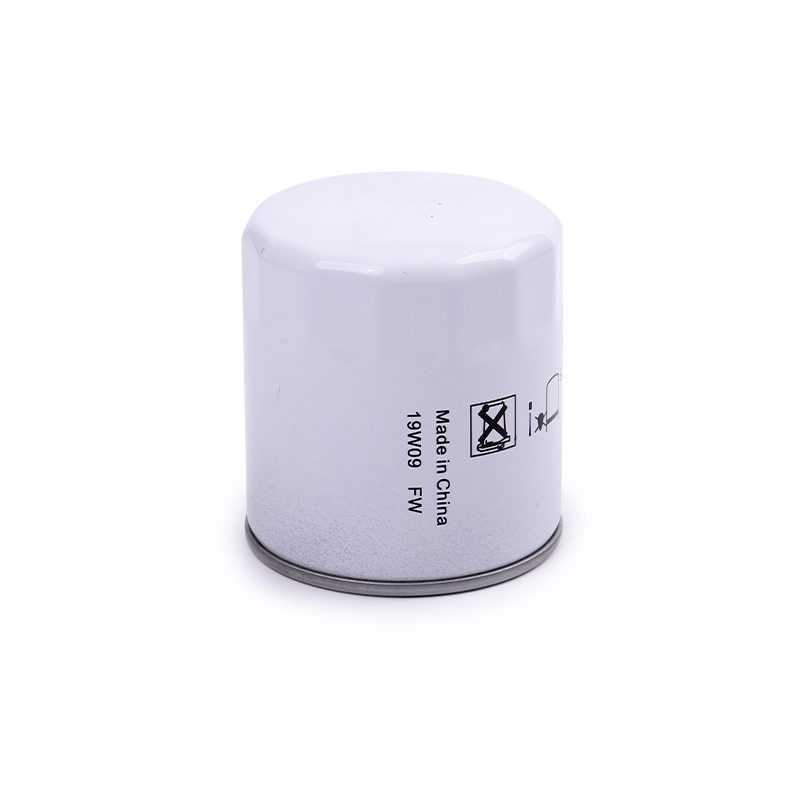 Ford Explorer 9W7E-6714-AA Oil Filter Replacement Listed alongside other OE-matched filters, this Ford Explorer oil filter is relevant if you service Ford models and need a replacement that matches factory specifications for reliable filtration. View Product →
 For the Volkswagen 1.4T family used in the Jetta, Passat and Touran, the spin-on oil filter with OE number 03C115561E is a common replacement. A spin-on filter with the correct thread size, valve specification and media rating is a direct protection measure for the turbocharger, because the turbo shaft depends on a steady supply of pressurised oil.
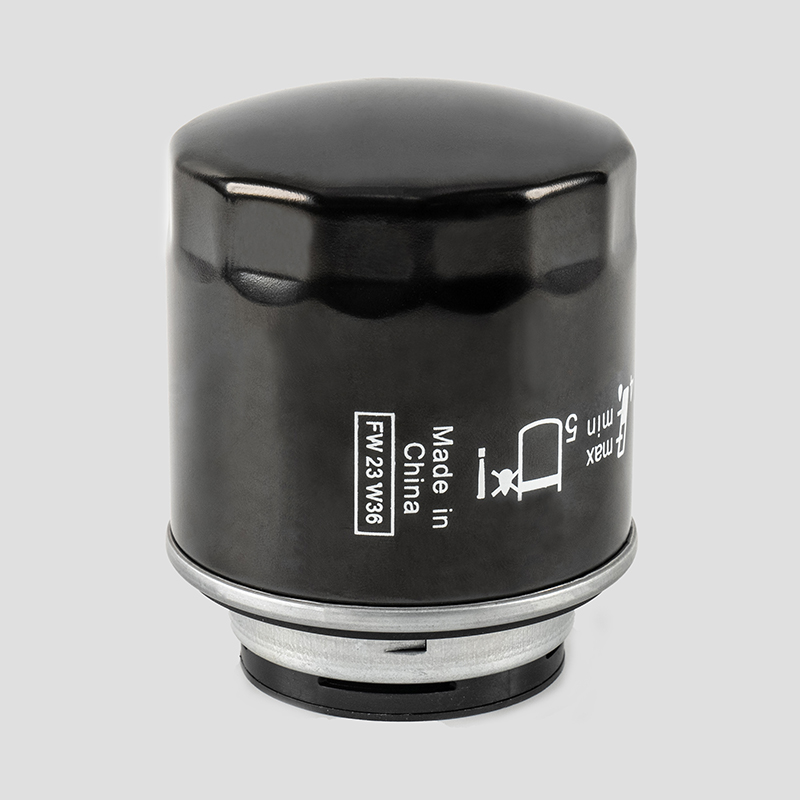 VW 1.4T Spin-On Oil Filter 03C115561E This spin-on oil filter for Jetta, Passat and Touran 1.4T engines is highlighted as a direct turbocharger protection part, making it a practical stock item for common VW repairs. View Product →
 NBHY supplies oil filters as a wholesaler and manufacturer to global distributors, with ISO/TS16949 quality management and a production capacity of over 50 million filter elements per year. For a workshop or parts reseller, choosing a filter from a manufacturer that builds to OE numbers reduces the risk of pressure-related comebacks.
Check your filter before you blame the engine: a collapsed filter or a missing bypass valve is one of the easiest causes to confirm, and replacing it costs far less than an oil pump or a bearing set.
Step-by-Step Diagnosis of Low Oil Pressure
When the warning light is on, do not throw parts at the engine. Follow a logical order, and you will either find the fault quickly or confirm that the engine needs internal attention.
- Verify the warning with a mechanical oil pressure gauge. Remove the pressure sensor and connect the gauge in its place.
- Check the oil level on level ground with the engine off. Top up if it is low and watch the gauge again.
- Inspect the oil condition and service history. If the oil is old, black, or smells of fuel, change the oil and filter.
- Look for external leaks around the valve cover, oil pan, rear main seal, and oil filter area.
- Confirm that the viscosity grade matches the owner's manual.
- Read the engine control unit codes. A high-pressure sensor voltage code or a diagnostics code related to the oil pressure switch can confirm a sensor circuit problem.
- Measure the gauge pressure at idle and at 2,500 rpm with a warm engine. Compare it with the workshop manual limits.
- If the pressure is still low, drop the oil pan, inspect the pickup screen, and check the crankcase for sludge.
A mechanical gauge is the only reliable way to confirm the warning. The dashboard switch is designed to activate around a trigger pressure, usually below 5 to 7 psi. A gauge shows you the actual number at idle and at speed. At idle, a warm engine should typically hold at least 10 psi. At 2,500 rpm, most engines produce at least 30 psi. If the numbers are below the manual limits, continue to the next step.
Be careful during the gauge test: if the pressure is truly low, run the engine only long enough to take the reading. A few extra minutes of running can finish off the bearings.
| Checks you can do yourself Oil level and dipstick reading Oil age, colour and smell Recent maintenance history Visible external leaks Does the light go out at higher rpm? | Checks that need a workshop Mechanical gauge pressure test Sensor circuit and wiring test Oil pump and pickup screen inspection Bearing clearance measurements Pressure-relief valve inspection |
For a workshop, this sequence also protects customer trust. A customer who is told "the engine needs a rebuild" wants proof. Showing them the pressure reading at idle, the filter condition and the pickup screen photograph makes the diagnosis transparent and the quote easier to accept. For a DIY owner, the same order avoids buying an oil pump when the real problem was a leaking valve cover gasket.
How to Fix Low Oil Pressure and Prevent It From Returning
Once you know the cause, the fix is usually straightforward. The repair cost ranges from a few dollars for a top-up to thousands for an engine rebuild, and the difference depends entirely on how quickly the problem is caught.
| Maintenance item | Typical interval | Why it matters |
|---|---|---|
| Engine oil and filter change | Every 7,500–15,000 km, depending on oil spec | Restores viscosity, removes contaminants, resets the filter |
| Oil level check | Weekly or before long trips | Catches consumption and slow leaks early |
| Oil filter replacement | With every oil change | Prevents media clogging and bypass valve opening |
| Pressure-relief valve inspection | On high-mileage engines during major service | Detects a stuck valve before it dumps pressure |
| Oil pump inspection or replacement | If pressure is below spec above 2,000 rpm | Restores flow and pressure to the whole circuit |
Short-term fixes depend on the root cause. Topping up the oil, changing to the correct viscosity grade, and replacing the oil filter resolve the majority of cases within an hour. These are maintenance tasks that any careful owner or workshop can perform.
Longer-term fixes involve internal components: cleaning the pickup screen, replacing the pressure-relief valve, or installing a new oil pump. These jobs require removing the oil pan and should only be attempted with proper equipment and a service manual. A seized pump, a fractured pickup tube or a badly scored pump cavity cannot be repaired; the pump must be replaced as an assembly.
Worn bearings, if confirmed, mean the engine needs to be overhauled. Continuing to drive a car with confirmed bearing wear is not a maintenance decision; it is a race to destroy the entire engine. The good news is that bearing wear is almost always preceded by months of low idle pressure, noisy starts, or oil pressure warnings that were ignored.
Prevention is far cheaper than repair. The most effective routine is simple: change the oil and filter at the interval recommended for your driving conditions, check the level on a fixed schedule, and investigate any oil smell or stain immediately. Fleets benefit even more, because a standardised service schedule removes the human error that leads to missed oil changes.
Choosing a Reliable Oil Filter: What Workshops and Distributors Should Check
For workshops, fleet managers and parts wholesalers, the oil filter is a high-rotation product with a direct impact on warranty claims. A filter that collapses, starves the pump, or opens its bypass valve too early can create a low oil pressure complaint that costs hours of diagnostic time. Therefore, the purchasing decision should be based on engineering facts, not just price.
A single-piece steel or aluminium canister with internal media. Widely used on older platforms and modern commercial vehicles. Easy to install, but always check seal and thread compatibility.
A replaceable media element inside a reusable housing. Used increasingly on European and Asian engines to reduce waste. Requires correct orientation and housing torque.
Built for high-flow engines, turbodiesels and vehicle fleets. A thicker shell, higher burst pressure and a robust anti-drainback valve suit long intervals and heavy load.
Before you commit to a new oil filter supplier, verify four specifications. First, compare the OE number and the filter dimensions: thread size, height, diameter and bypass valve pressure. Second, look at the media area: a larger, denser media pack gives lower flow restriction and longer service life. Third, check the anti-drainback valve and the relief valve; their presence and calibration determine whether the filter will maintain pressure on hot restart. Fourth, assess the supplier's manufacturing system: certifications such as ISO/TS16949 and a consistent production process matter for high-volume purchases.
An additional checklist applies to distributors who buy from an oil filter factory or wholesaler. Ask about the manufacturer's experience, production capacity, quality control process, and the availability of cross-reference data. A manufacturer that produces over 50 million elements per year, like NBHY, can usually provide a complete cross-reference for the European, Japanese, American and Chinese vehicle brands it covers.
If you want to understand the internal construction of an oil filter and why the media, the bypass valve and the anti-drainback valve work together, read our guide on how a car oil filter works .
For European compact cars, cartridge filters are increasingly replacing spin-on types. The Audi A1, for example, uses an ECO oil filter with OE number 04E115561B. Distributors who stock this item cover a wide range of small-displacement Volkswagen Group vehicles, reducing the risk of pressure issues caused by a wrong or poor-quality filter.
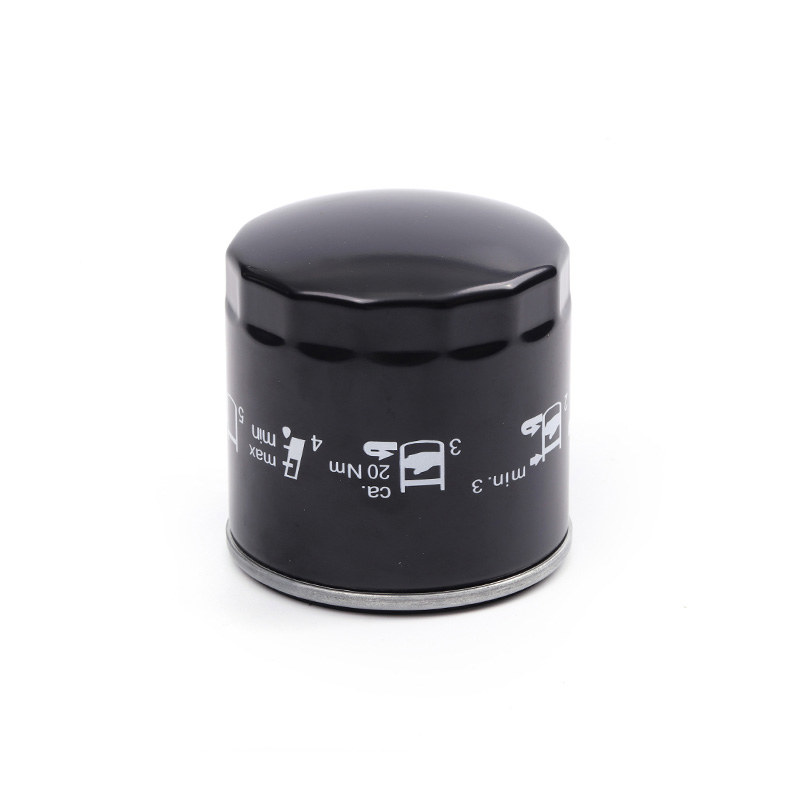 Audi A1 04E115561B Cartridge Oil Filter Featured as an ECO cartridge filter for Audi A1, this item covers many small-displacement VW Group vehicles, offering distributors a versatile option for European compact car services. View Product →
 Finally, remember that the cheapest filter is rarely the most economical. A premature oil pressure complaint after a service can erase the profit from ten filter sales. A reputable manufacturer's product, bought in bulk, delivers consistent fit, stable filtration and fewer comebacks.
Further Reading and Resources
For readers who want to explore the technical side of filters, NBHY publishes practical guides to filter construction, installation and maintenance. The full product catalogue also makes it easy to compare OE numbers and vehicle applications.
- NBHY official website where you can explore the complete range of air, cabin, oil, fuel and hydraulic filters, plus plastic and rubber components.
Workshops and wholesale buyers can use the catalogue to check OE cross-reference data before placing a bulk order. Keeping the technical resources and the product catalogue close at hand turns a low-pressure warranty case into a quick, correct replacement decision.
Frequently Asked Questions
Is it safe to drive with the oil pressure warning light on?
No. The warning light activates when pressure falls below a critical threshold, usually around 5 to 7 psi on a warm engine. At that point, the bearing oil film is already marginal. Stop the engine as soon as you can, check the oil level and filter condition, and call a tow if the cause is not obvious. Driving with an engine oil pressure too low warning for more than a few seconds can score the crankshaft journals and destroy the bearing set.
Why does the low oil pressure warning appear at idle but disappear when I rev the engine?
Oil pump output rises with engine speed, so a small defect that causes low pressure at idle can be masked at higher rpm. The most common reasons are a low oil level, oil that has thinned out, worn bearings, or a slightly tired oil pump. Measure the pressure with a mechanical gauge at idle and at 2,500 rpm. If the idle reading is below 10 psi on a warm engine, investigate the cause before driving much further.
Can a dirty oil filter cause low oil pressure?
Yes. As the filter media loads with contaminants, the pressure drop across the filter grows. If the bypass valve is stuck closed or the media collapses, oil flow to the main gallery slows down and the pressure warning comes on. This is not the most common cause of low pressure, but it is one of the easiest to prevent. Replace the oil filter at the manufacturer's interval with a quality unit that matches the OE number.
What oil pressure reading is too low?
A useful rule for most passenger cars is that warm idle pressure should stay above 10 psi, and pressure at 2,500 rpm should reach at least 25 to 35 psi. Exact limits vary by engine, so check the service manual. If the pressure falls below about 5 psi at warm idle, the engine is at immediate risk of bearing damage. A mechanical gauge is the only way to know for sure, because the dashboard switch is not a precise instrument.
Can low oil pressure be fixed without a full engine rebuild?
In most cases, yes. Topping up the oil, changing to the correct viscosity, replacing a clogged filter, cleaning a covered pickup screen, replacing a faulty sensor, or repairing a stuck pressure-relief valve will solve the problem. Only the more serious causes, such as worn bearings or a failed oil pump, require internal engine work. Diagnose in the logical order described above, and you will usually find a low-cost fix.
How often should the oil filter be replaced?
Usually with every engine oil change. Typical OEM intervals range from 7,500 to 15,000 km, but severe service, such as frequent short trips, dusty roads, towing and heavy traffic, shortens the interval. For workshops and wholesale buyers, the safest policy is to stock a filter together with the matching oil quantity, so neither is forgotten at service time.
Keep the Pressure in the Safe Zone
An engine oil pressure too low warning is one of the few messages in a car that deserves immediate attention. The causes range from a missing quart of oil to a badly worn bearing set, and the only way to know the difference is to measure the real pressure, check the simple items first, and work through the list logically.
For car owners, the lesson is simple: keep the oil level correct, change the oil and filter on schedule, and listen to the engine. For workshops, the same checks form the core of a profitable and honest diagnosis process. For distributors and wholesale buyers, the lesson extends to product quality: a filter that is built to OE specifications protects the pressure circuit, prevents comebacks, and builds trust with the end customer.
NBHY supplies oil filters, ECO oil filters, spin-on oil filters and complete filter systems from its manufacturing base in China. With three decades of production experience and a catalogue that covers European, Japanese, American and Chinese vehicle brands, it offers a practical option for private labels, wholesale programmes and workshop stock.



حقوق الطبع والنشر © Ningbo Heyuan Auto Parts Co., Ltd. شركة قطع غيار فلاتر السيارات المخصصة OEM / ODM الشركة المصنعة لأجزاء مرشح السيارات
